

Behind the Scenes: Crafting Beautiful Aprons

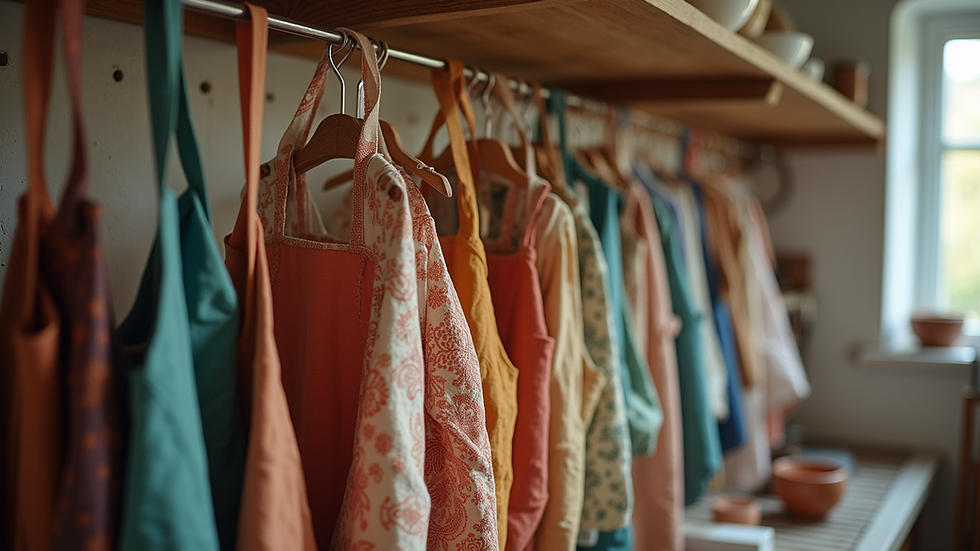
Creating beautiful aprons is an art form that combines functionality with aesthetics. Whether you are a professional chef, a home cook, or a craft enthusiast, the right apron can enhance your experience in the kitchen or workshop. In this blog post, we will explore the intricate process of crafting aprons, from selecting materials to the final touches that make each piece unique.
The Importance of Choosing the Right Fabric
When it comes to crafting aprons, the choice of fabric is paramount. The fabric not only determines the look of the apron but also its durability and functionality. Here are some popular fabric options:
Cotton: Lightweight and breathable, cotton is a favorite for everyday aprons. It is easy to wash and comes in a variety of colors and patterns.
Denim: For a more rugged look, denim aprons are perfect. They are durable and can withstand heavy use, making them ideal for professional kitchens or workshops.
Canvas: This sturdy fabric is great for aprons that need to hold up against spills and stains. Canvas aprons often feature pockets for added functionality.
Linen: Known for its elegance, linen is a great choice for those who want a more sophisticated look. It is breathable and has a natural luster.
Fabric Considerations
When selecting fabric, consider the following factors:
Weight: Heavier fabrics provide more durability, while lighter fabrics offer comfort.
Washability: Choose fabrics that can withstand frequent washing without losing their shape or color.
Texture: The feel of the fabric can impact comfort, especially if worn for long periods.
Designing the Perfect Apron
Once you have selected the fabric, the next step is designing the apron. This involves deciding on the style, length, and features that will best suit your needs.
Styles of Aprons
There are various styles of aprons to choose from:
Bib Aprons: These cover the front of the body and often have a neck strap. They are versatile and suitable for both cooking and crafting.
Waist Aprons: These are shorter and typically have pockets. They are great for quick tasks and are often used in cafes or by servers.
Cross-Back Aprons: These provide extra support and comfort, distributing weight evenly across the shoulders. They are ideal for long hours in the kitchen.
Features to Consider
When designing your apron, think about incorporating features that enhance functionality:
Pockets: Adding pockets can be a game-changer. They provide a place to store utensils, recipes, or even a phone.
Adjustable Straps: This allows for a customizable fit, making the apron comfortable for anyone who wears it.
Reinforced Stitching: This ensures that the apron can withstand the rigors of daily use.
The Crafting Process
Crafting an apron involves several steps, each requiring attention to detail. Here’s a breakdown of the process:
1. Cutting the Fabric
Start by measuring and cutting the fabric according to your design. Use sharp scissors or a rotary cutter for clean edges.
2. Sewing the Pieces Together
Using a sewing machine, begin stitching the pieces together. This is where the apron starts to take shape. Pay attention to seam allowances and ensure that everything is aligned properly.
3. Adding Features
Once the basic structure is complete, it’s time to add features like pockets and straps. This is where you can get creative with colors and patterns.
4. Finishing Touches
After assembling the apron, finish the edges to prevent fraying. You can also add embellishments like embroidery or fabric paint to personalize the apron.
Quality Control
Before the apron is ready for use, it’s essential to conduct a quality check. Inspect for any loose threads, uneven seams, or imperfections. A well-crafted apron should not only look good but also function effectively.
Personalization and Customization
One of the most exciting aspects of crafting aprons is the ability to personalize them. Here are some ideas for customization:
Embroidery: Adding a name or a special message can make the apron unique.
Fabric Paint: Use fabric paint to create designs or patterns that reflect your personality.
Patchwork: Incorporate different fabric pieces to create a patchwork effect, adding character to the apron.
The Role of Aprons in Culinary Arts
Aprons are more than just protective garments; they play a significant role in the culinary arts. They symbolize creativity, passion, and dedication. Here’s how aprons contribute to the cooking experience:
Protection
Aprons protect clothing from spills, stains, and splatters, allowing cooks to focus on their culinary creations without worrying about messes.
Expression
With a wide variety of designs and styles, aprons allow individuals to express their personality and style in the kitchen. Whether it’s a fun print or a classic design, an apron can reflect the wearer’s taste.
Professionalism
In professional kitchens, aprons are a sign of professionalism. They create a cohesive look among staff and signify that the wearer is ready to work.
Caring for Your Apron
To ensure your apron lasts for years, proper care is essential. Here are some tips for maintaining your apron:
Washing: Follow the care instructions for your specific fabric. Generally, machine washing in cold water is safe for most fabrics.
Drying: Air drying is preferable to prevent shrinkage. If using a dryer, choose a low heat setting.
Storing: Hang your apron in a dry place to prevent mildew and maintain its shape.
Conclusion
Crafting beautiful aprons is a rewarding process that combines creativity with practicality. By selecting the right materials, designing thoughtfully, and paying attention to detail, you can create an apron that is not only functional but also a reflection of your personal style. Whether you are cooking, crafting, or simply enjoying time in the kitchen, a well-crafted apron can enhance your experience. So, gather your materials, unleash your creativity, and start crafting your own beautiful apron today!
Comments